
Summary
Moving to assisted living doesn't automatically mean giving up the car keys. Whether your mom can continue driving depends on her abilities, state requirements, and the community's policies—and understanding these factors helps your family make the right decision.
- Most assisted living communities don't prohibit driving if residents meet state licensing requirements and can operate safely
- Watch for warning signs like getting lost on familiar routes, difficulty judging distances, or trouble responding to traffic changes
- Consider consulting a healthcare provider or driving rehabilitation specialist for an objective assessment of driving abilities
- Many communities offer transportation services for medical appointments, shopping, and local outings as alternatives to driving
- Having an honest conversation with your mom about comfort level and safety concerns helps find the right balance
Moving to assisted living doesn't automatically mean giving up the car keys. For many older adults, driving remains an important part of their daily routine, whether they're visiting friends, running errands, or enjoying a favorite restaurant.
So, can seniors drive in assisted living? In many cases, yes. The answer depends on their driving abilities, state requirements, and the community's policies. Understanding these factors can help your family decide whether keeping a car makes sense for your mom.
Understanding Driving Rules in Assisted Living Communities
Most assisted living communities don't automatically prohibit residents from driving. Residents may continue using their vehicles as long as they meet state licensing requirements and can operate a car safely.
However, driving rules in assisted living communities can vary. Some properties have designated parking areas, vehicle registration procedures, or additional requirements for residents who bring cars.
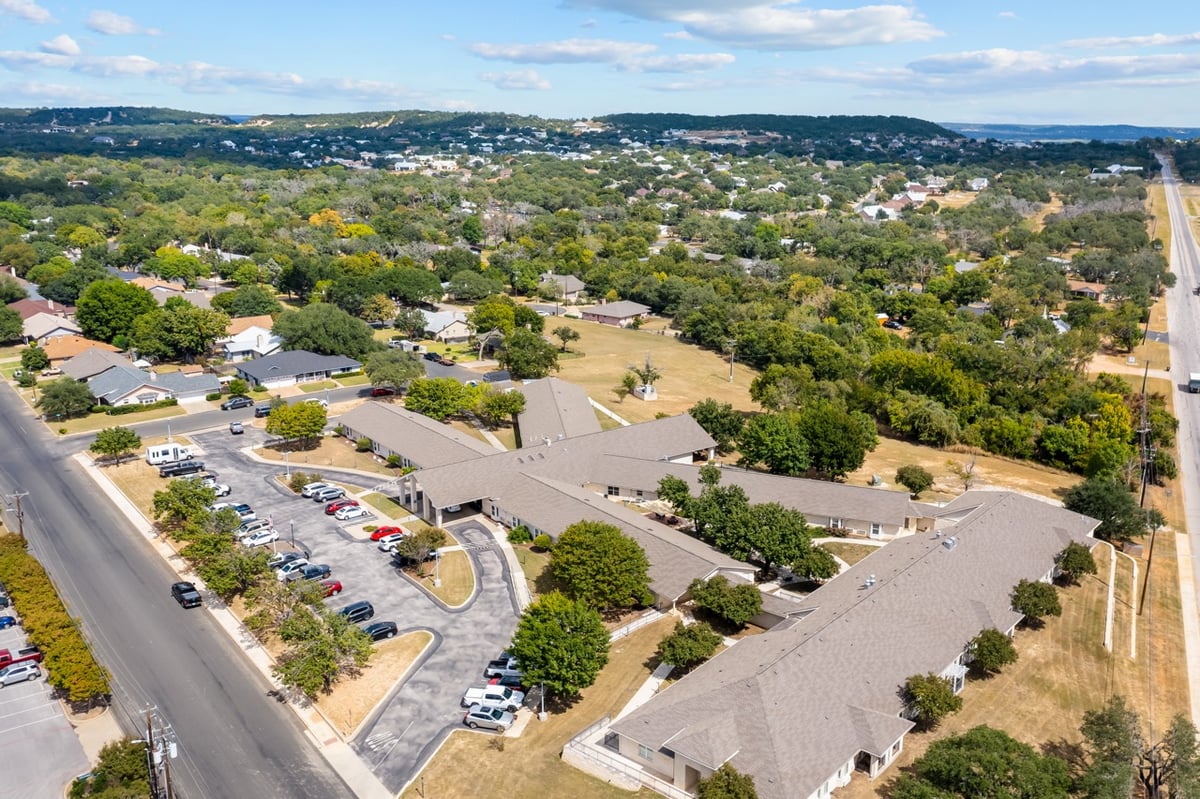
Before moving into Heritage Place of Fredericksburg in Fredericksburg, Texas, ask about the community's Assisted Living driving policy, including parking availability and any documentation residents must provide.
It's also important to understand that permission to keep a vehicle doesn't necessarily mean someone is safe to drive. Families should consider both community policies and their loved one's current abilities.
Do Assisted Living Residents Keep Their Cars?
Many older adults choose to keep their vehicles when moving to assisted living. Having a car allows them to maintain familiar routines and visit nearby destinations without arranging transportation.
For someone who enjoys visiting downtown Fredericksburg, meeting friends for lunch, or shopping locally, keeping a vehicle may feel especially important.
However, car ownership also comes with ongoing responsibilities. Insurance, maintenance, registration, and fuel expenses can add up, particularly when someone drives infrequently.
Do assisted living residents keep their cars? Some do, while others find that community transportation and help from family members meet their needs.
The decision should reflect your loved one's preferences, driving confidence, budget, and how often she expects to use her vehicle.
Recognizing Changes in Driving Abilities
Even when driving is permitted, changes in vision, mobility, reaction time, or judgment can make driving more difficult.
Rather than focusing on age alone, pay attention to changes in your mom's driving habits.
Potential warning signs include:
- Getting lost while traveling familiar routes
- Difficulty judging distances or navigating intersections
- Frequent close calls, minor accidents, or unexplained vehicle damage
- Trouble seeing road signs or responding to changing traffic conditions
- Confusion about directions or difficulty making decisions while driving
If you notice these concerns, consider discussing them with her healthcare provider. A qualified driving rehabilitation specialist or occupational therapist with driver evaluation training may also assess her abilities.
An objective assessment can help families make decisions based on current driving skills rather than assumptions about aging.
Transportation Options in Assisted Living
Giving up driving doesn't have to mean giving up favorite destinations or regular appointments. Many communities offer transportation services that help residents maintain their routines.
Common transportation options in assisted living include:
- Scheduled rides to medical appointments
- Shopping trips and organized community outings
- Transportation to local events and recreational destinations
- Family transportation or private ride services for additional flexibility
Heritage Place of Fredericksburg offers Assisted Living in a welcoming setting where residents can receive assistance with daily responsibilities while enjoying opportunities for social connection.
Families considering the community should ask about available transportation services, scheduling requirements, and whether trips to specific Fredericksburg destinations can be accommodated.
Understanding these details makes it easier to plan around your loved one's appointments, errands, and preferred outings.
Having the Conversation About Driving
Discussing driving concerns with a parent can be difficult, particularly when driving has been part of their routine for decades.
Start by asking how your mom feels about driving. Does she still enjoy it, or has navigating traffic, parking, and unfamiliar roads become stressful?
Share specific observations without making assumptions about her abilities. If nighttime driving has become uncomfortable, for example, discuss whether limiting certain trips might be appropriate.
Senior driving and assisted living decisions don't always require an immediate choice between driving everywhere and stopping completely. Depending on safety considerations, some older adults may benefit from changing their driving habits or using transportation services more frequently.
The goal is to involve your loved one in decisions that affect her daily life while addressing legitimate safety concerns.
Finding the Right Balance Between Driving and Daily Support
Whether your mom continues driving after moving to assisted living depends on her abilities, preferences, and the transportation alternatives available.
At Heritage Place of Fredericksburg, Assisted Living provides personalized assistance with daily needs in a comfortable community setting. Residents can enjoy opportunities for connection without managing every household responsibility themselves.
As you explore living arrangements, ask how transportation fits into everyday life and what options are available if your loved one eventually decides to stop driving.
Schedule a tour of Heritage Place of Fredericksburg to meet the team, explore the community, and discuss how Assisted Living can support your mom's daily routines and transportation needs.