
Summary
Moving to assisted living raises important questions about medical care in assisted living communities. Most provide daily personal assistance and help coordinate healthcare services, but don't replace a doctor's office or hospital. Understanding how support works helps families know what to expect.
- Trained team members available around the clock assist with daily routines, wellness observations, and communication with outside healthcare providers.
- Care coordinators help residents continue seeing their preferred doctors and specialists, arranging appointments and managing telehealth visits.
- Medication management may include reminders, assistance with prescriptions, or administration by authorized personnel, depending on state regulations.
- Communities establish emergency procedures, contacting emergency services and notifying families when urgent medical attention is needed.
- Ask specific questions about nurse availability, medication management, appointment coordination, and how medical changes are handled before choosing a community.
When a loved one moves to assisted living, families often have questions about the medical support available. Are doctors on-site? Who helps manage medications, and what happens if a resident becomes ill?
While these communities provide assistance with daily needs and help coordinate healthcare services, they don't replace a doctor's office or hospital. Understanding how medical care is handled can help families know what to expect and feel more confident about their loved one's support.
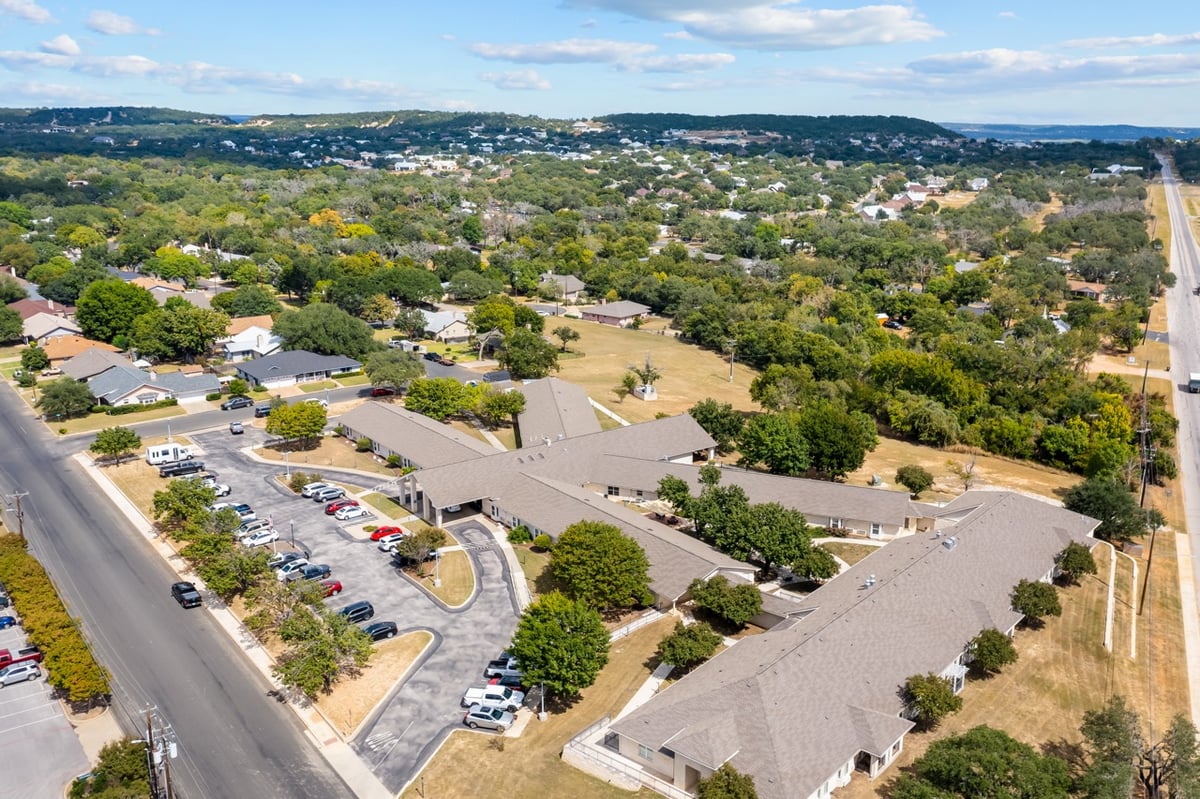
At Heritage Place of Fredericksburg in Fredericksburg, Texas, Assisted Living focuses on personalized daily support. Residents can continue seeing their preferred healthcare providers while receiving assistance with everyday needs.
Who Provides Medical Support in Assisted Living Communities?
Assisted living communities generally have trained team members available around the clock to help residents with daily routines and respond to concerns. Their responsibilities may include personal assistance, wellness observations, and communication with healthcare providers.
The availability of licensed nurses and other medical professionals varies by community. Nursing staff in assisted living may oversee certain health-related services, but families should confirm who is available, their qualifications, and when they are on-site.
What Do Care Team Members Handle?
Depending on their training and the community's services, team members may assist with:
- Daily wellness: Observing changes in residents' routines, mobility, or general well-being.
- Personal assistance: Helping with bathing, dressing, grooming, and other daily needs.
- Health coordination: Communicating concerns and helping arrange appointments with outside providers.
Because team members interact with residents regularly, they may notice changes that warrant further attention. Medical concerns can then be referred to the appropriate healthcare professional.
How Do Residents See Doctors and Specialists?
Moving to assisted living doesn't mean giving up a trusted physician. Residents generally continue visiting their primary care doctors, specialists, and other healthcare providers.
Some physicians offer telehealth appointments or visits to senior living communities. Physical and occupational therapists may also provide services on-site, depending on provider availability and community arrangements.
Medical support in assisted living communities often involves coordinating these outside services rather than delivering specialized medical treatment directly.
Families considering Heritage Place of Fredericksburg can ask how the community helps residents arrange appointments and communicate with their healthcare providers.
What Does Medication Management in Assisted Living Include?
Keeping track of several prescriptions can become challenging, particularly when medications have different schedules or instructions.
Medication management in assisted living may include reminders, assistance with prescribed medications, or medication administration by authorized personnel, depending on state regulations and individual needs.
Communities may also help coordinate prescription refills and communicate medication-related concerns to healthcare providers.
Families should ask how medications are stored, documented, and administered, as well as who is authorized to provide assistance. These details help clarify what support is available and whether it meets their loved one's needs.
Healthcare Services in Assisted Living vs. Other Senior Living Options
Not every senior living community provides the same level of assistance. Understanding the differences can help families choose an appropriate setting.
Independent living generally emphasizes convenient amenities, social opportunities, and fewer household responsibilities. Assisted living adds personalized assistance with daily needs, while skilled nursing provides more extensive medical services for individuals requiring ongoing nursing attention.
Heritage Place of Fredericksburg offers Assisted Living, allowing residents to receive personal support while enjoying community dining, social opportunities, and familiar daily routines.
The right choice depends on how much assistance someone needs and whether their medical requirements can be supported within the community.
What Happens During a Medical Emergency?
Assisted living communities establish procedures for responding to urgent situations. Team members may contact emergency services, provide assistance within their training, and notify appropriate contacts.
Emergency response procedures vary, so families should understand how residents request help and what happens when additional medical attention is necessary.
After an emergency, communication between the community, healthcare providers, and family members can help everyone understand changes to a resident's support needs.
Questions to Ask About Medical Care in Assisted Living
Before choosing a community, families should discuss healthcare needs and ask specific questions about available services.
Consider asking:
- Are licensed nurses available, and during which hours?
- Who provides medication assistance, and how are prescriptions managed?
- How does the community coordinate appointments with outside healthcare providers?
- What happens when a resident's medical needs change?
- How are emergencies handled, and when are families notified?
These conversations can help families understand the difference between everyday assistance and medical treatment.
Explore Assisted Living at Heritage Place of Fredericksburg
Understanding the healthcare services available in assisted living can make choosing a community easier. The goal is to find a setting that provides appropriate daily assistance while helping residents maintain relationships with their healthcare providers.
Heritage Place of Fredericksburg combines personalized support with homestyle dining, scheduled transportation, and opportunities to connect with neighbors.
Schedule a tour of Heritage Place of Fredericksburg to meet the team, explore the community, and discuss the daily assistance available for yourself or a loved one.