
Summary
Understanding why older adults fall frequently involves recognizing physical changes, medications, and environmental factors that work together to increase fall risks. Learning these causes helps families spot warning signs and create safer living environments for their loved ones.
- Physical changes like muscle weakness, vision changes, inner ear shifts, and slower reaction times significantly affect balance and stability as we age
- Certain medications—including blood pressure drugs, sleep aids, and antihistamines—can cause dizziness and coordination problems, especially when taken together
- Environmental hazards such as loose rugs, poor lighting, cluttered walkways, and missing handrails create unexpected obstacles in familiar spaces
- Underlying health conditions like diabetes-related neuropathy, Parkinson's disease, and heart problems can affect stability and require medical evaluation
- Simple home modifications—improved lighting, cleared walkways, grab bars, and handrails—combined with regular exercise and medication reviews help prevent falls
When your dad falls more than once, it's natural to wonder what's causing it and how to help. Understanding why older adults fall so often can help families spot warning signs, address potential hazards, and find ways to support safer movement.
Falls often result from several factors working together, including physical changes, medications, and environmental hazards. Recognizing these fall risk factors for older adults is an important first step toward prevention. With the right information and support, families can help loved ones feel more confident in their daily routines.
Physical Changes That Affect Balance and Stability
Aging brings physical changes that can affect coordination and stability.
Some of the most common causes of falls in seniors include:
- Muscle weakness: Reduced strength in the legs and core makes it harder to recover from a stumble.
- Vision changes: Changes in depth perception can make it harder to recognize uneven surfaces and obstacles.
- Inner ear changes: Changes in the vestibular system can affect balance and coordination.
- Joint stiffness: Arthritis and reduced flexibility can limit movement.
- Slower reaction times: Older adults may have less time to regain their footing after a misstep.
Regular wellness appointments can help identify these changes and determine whether additional support or treatment may be beneficial.
How Medications Can Increase Fall Risks
Certain medications can contribute to dizziness, drowsiness, and balance problems. For example, blood pressure medications may cause lightheadedness when you stand up too quickly. Sleep aids, sedatives, and some over-the-counter antihistamines can also affect coordination.
Taking several medications simultaneously, known as polypharmacy, may increase these concerns. Drug interactions can sometimes produce unexpected side effects.
Families can help by keeping an updated medication list and reviewing it regularly with a healthcare provider. Never adjust or discontinue prescribed medications without medical guidance.
Environmental Hazards That Contribute to Falls at Home
Sometimes, the biggest risks are found in familiar surroundings. Loose rugs, electrical cords, cluttered walkways, and uneven flooring can create unexpected obstacles.
Poor lighting is another concern, especially when someone gets up at night. Bathrooms and stairways also deserve attention because slippery surfaces and missing handrails can increase fall risks.
Simple Changes That Can Make a Difference
A few practical adjustments can help create a safer living environment:
- Improve lighting in hallways, bedrooms, and bathrooms.
- Remove loose rugs and keep walking paths clear.
- Install grab bars near toilets and showers.
- Add secure handrails along stairways.
- Keep frequently used belongings within easy reach.
These adjustments are useful senior fall prevention strategies, especially when combined with regular health assessments and appropriate mobility support.
Understanding What Causes Balance Problems in Seniors
Beyond normal physical changes, certain health conditions can affect stability. Understanding what causes balance problems in seniors often requires looking at underlying medical concerns.
Diabetes-related neuropathy may reduce sensation in the feet, making it difficult to recognize changes in walking surfaces. Parkinson's disease can affect coordination, while someone recovering from a stroke may experience weakness or difficulty moving.
Heart conditions can sometimes cause dizziness or fainting. Cognitive changes may also affect spatial awareness and judgment. Osteoporosis doesn't necessarily cause falls, but it can increase the likelihood of fractures when they happen.
A healthcare provider can evaluate these concerns and recommend appropriate treatment or support.
Creating a Practical Fall Prevention Plan
Preventing falls in aging parents works best when families consider physical health, daily routines, and living environments together.
Everyday Habits That Support Stability
Regular movement can help older adults maintain strength, flexibility, and balance.
Depending on individual abilities and medical guidance, helpful approaches may include:
- Gentle strength and balance exercises
- Routine vision and hearing appointments
- Supportive footwear with nonslip soles
- Regular medication reviews
- Mobility assessments when walking becomes difficult
Families should also watch for changes in confidence. Someone who becomes afraid of falling may start avoiding movement, which can contribute to further weakness.
When Additional Daily Support May Help
If falls become more frequent, families may begin exploring assisted living as an option for additional daily support.
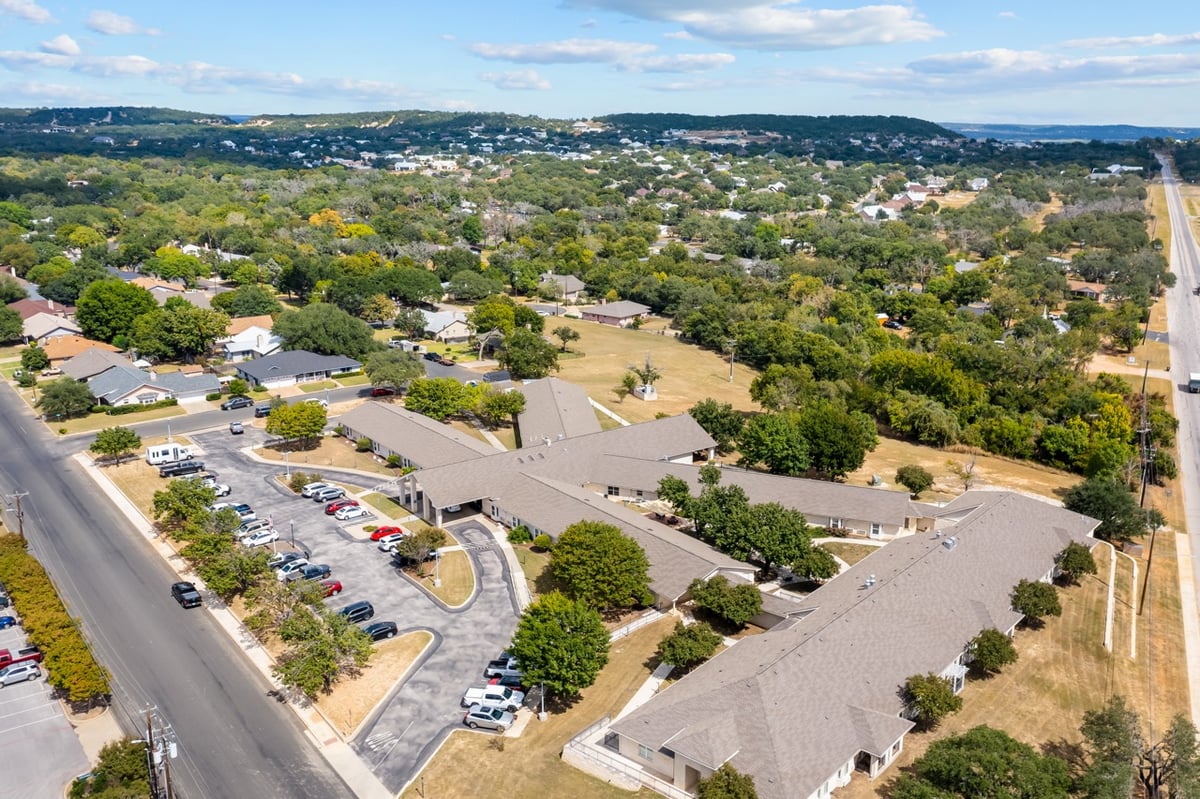
At Heritage Place of Fredericksburg in Fredericksburg, TX, Assisted Living offers an alternative for older adults who need help with everyday routines while maintaining personal choice.
Assistance with daily tasks, social connection, and a welcoming community can make everyday life more manageable. Shared meals and time with neighbors also help residents enjoy familiar routines without managing everything alone.
When exploring assisted living, families should ask how communities assess mobility needs and what assistance they offer. No community can eliminate every fall risk, but understanding available support can help families make informed decisions.
Finding the Right Support for Your Family
Repeated falls deserve attention, especially when they involve injuries, dizziness, or noticeable changes in mobility. A healthcare evaluation can help identify contributing factors and determine which precautions are appropriate.
At Heritage Place of Fredericksburg, we understand that families want their loved ones to feel comfortable, respected, and supported. Our approach to senior living in Fredericksburg focuses on making daily life easier while encouraging meaningful connections.
Contact Heritage Place of Fredericksburg today to schedule a tour, meet our team, and learn how our Assisted Living community can support your loved one's daily needs.